

Instagram, TikTok, and Snapchat still shape how people talk, learn trends, flirt, argue, build side hustles, and keep up with friends. Teen use stays especially high. Pew Research Center reports roughly 6-in-10 teens use TikTok and Instagram, and 55% use Snapchat.
Safety going into 2026 feels quieter than the big headline hacks people used to worry about. Most real harm now grows from smaller moments that stack together.
A rushed tap on a fake reset link. A friendly new account that feels real enough to trust. A bio detail that gives away more than it should.
The result often lands in phishing, impersonation, account takeovers, financial scams, sextortion, doxxing, or location leaks.
A steady approach built from habits and settings offers the strongest protection. The goal is not fear. The goal is control.
What Feels Different Going Into 2026
Several trends stand out and change how safety needs to work in daily life.
Scams Now Drain Real Money Fast

The FTC’s 2024 fraud roundup reports $12.5 billion in reported losses, with over $3 billion tied to scams that started online. Many of those losses trace back to social platforms.
Messages that look casual can carry financial risk. Gift card requests, “investment tips,” and “quick help” favors now sit in the same danger category as email phishing.
Financial Sextortion Keeps Climbing
NCMEC reported 26,718 reports of financial sextortion in 2023, up from 10,731 in 2022. The FBI has also warned about financially motivated sextortion and how demands often escalate even after a victim pays. Social apps provide speed and reach, which attackers use to pressure fast decisions.
Platforms Keep Adding Teen Safeguards
Instagram now uses Teen Accounts that default younger users into more protective settings, with additional protections added in 2025.
TikTok continues expanding Family Pairing. Snapchat’s Family Center gives families oversight without exposing message content. Location sharing on Snapchat stays opt-in and off by default.
A Safety Baseline That Works on Every App
Platform features help, yet most incidents still begin with human behavior. Small adjustments lower risk across Instagram, TikTok, and Snapchat.
Lock Down Accounts Like You Want Them Back
Account recovery often decides how bad a breach becomes.
- Use 2-factor authentication. – Instagram provides step-by-step guidance for turning on 2FA. Choose an authenticator app when possible. SMS can fall to SIM-swap attacks.
- Use a long, unique password. – Reused passwords turn unrelated breaches into takeovers across multiple platforms.
- Secure the email tied to social logins. – Account recovery often flows through email. If someone controls that inbox, regaining social access becomes difficult.
- Know where recovery lives. – Instagram publishes official hacked-account recovery guidance. Keep those pages bookmarked.
Treat “Password Reset” Messages as High Risk
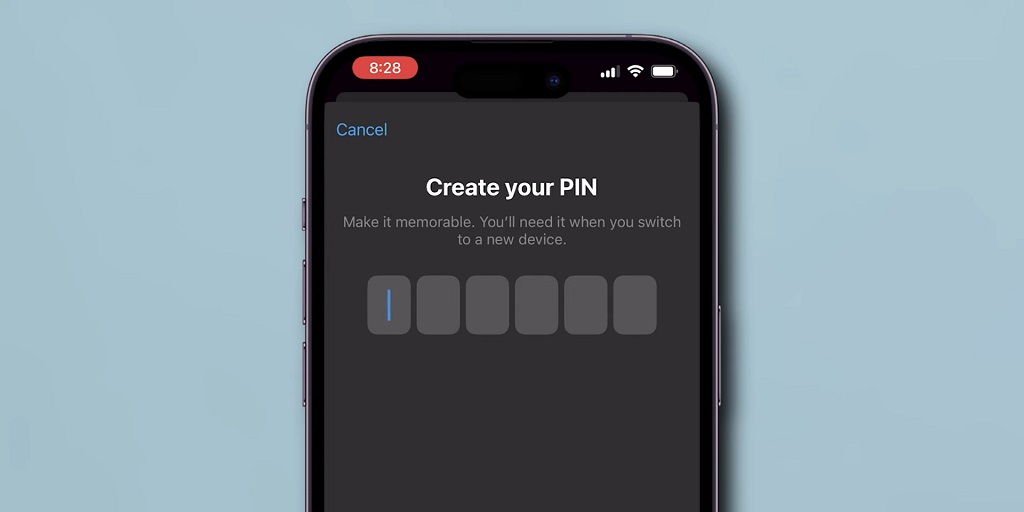
Fake urgency drives many account losses. Messages that claim “someone tried to log in” or “verify now” push fast reactions.
Safer rule:
- Only initiate resets from inside the app or by typing the official site yourself.
- Ignore surprise reset links.
- Open the app directly and review security settings from there.
Shrink the Personal Info Footprint
Many harms grow from small details stacked together.
Remove or avoid:
- School names, class years, team schedules, or campus photos
- Street signs, mail labels, and car plates in photos
- Phone numbers, birthdays, or secondary handles in public bios
- Real-time travel plans
Post after returning home whenever possible.
Make Contact Pathways Stricter Than They Feel Necessary
Unsolicited DMs drive a large share of scams and harassment.
Tighten:
- Who can message
- Who can comment, mention, tag, or add you
- Whether profiles stay public or private
Report and Block Early
Instagram and Snapchat both highlight in-app reporting as the fastest route to action. Block and report at the first clear sign of impersonation, harassment, or sexual pressure.
Instagram Safety Playbook for 2026

Instagram focuses on teen defaults, DM context, and account security.
Teen Accounts and DM Context
Teen Accounts place younger users into more protective defaults. In July 2025, Meta described new DM safety features that show visible safety tips and extra context about new chat requests, such as when an account joined.
Security Checkup and Recovery
Instagram describes Security Checkup as a guided flow covering password updates, 2FA, and recovery information. If compromise seems possible, follow Instagram’s hacked-account guidance.
Reporting, Blocking, and Message Reporting
Instagram provides clear instructions for reporting posts, profiles, and chats.
Bad DM response flow:
- Do not reply
- Capture screenshots if evidence may help later
- Report the message or chat
- Block the account
- Report the profile if impersonation appears involved
TikTok Safety Playbook for 2026
TikTok safety works best when privacy defaults, content controls, and Family Pairing operate together.
Age-Linked DM Availability
TikTok states direct messaging is available for registered account holders aged 16 and older. Teen privacy guidance also notes DMs are not available for ages 13 to 15.
Restricted Mode and Keyword Filters
Restricted Mode limits content that may not fit younger audiences. Keyword filtering also shapes feed content.
Suggested setup:
- Enable Restricted Mode for younger users
- Add keyword filters for sexual content bait, “sugar,” “cash app,” “telegram,” “investment,” and local scam terms that repeat
DM Safe Mode and Filters
TikTok offers DM safe mode and keyword filtering for chats, plus filtered handling of message requests.
Family Pairing
TikTok explains Family Pairing as a tool that lets parents and guardians tailor a teen’s settings. Setup steps appear in TikTok support documentation.
Snapchat Safety Playbook for 2026
Snapchat risk often centers on fast private messaging and location sharing.
Default Contact Limits and Location Posture
Snapchat states that teen contact settings stay limited to friends and phone contacts only and cannot be expanded. Location sharing remains off by default.
Snap Map, Ghost Mode, and Background Location
Snapchat highlights Ghost Mode as the way to stop location sharing. Background location control also lives at the device level, such as “Only while using.”
Recommended baseline:
- Enable Ghost Mode
- Set device location permission to “Only while using”
- Review friend lists with the same care given to a physical address book
Family Center
Snapchat describes Family Center as a parental tool that shows who teens communicate with and offers location insight while respecting privacy. Parents can see contacts and location status without reading chats.
Reporting and Enforcement Speed
Snapchat’s Safety Center emphasizes in-app reporting. Snapchat’s Transparency reporting for Jan 1 to Jun 30, 2025, lists:
- 19,766,324 in-app reports
- 6,278,446 enforcement actions
- Median turnaround time of about 2 minutes for enforcement action in response to reports
Threat Patterns That Keep Repeating

Real incidents often follow familiar scripts.
Impersonation and “Urgent Help” Scams
A new account copies a friend’s photos, then asks for money, gift cards, login codes, or a quick favor. FTC data shows large online-origin scam losses, so financial asks in DMs deserve verification outside the platform.
Safer rule:
- Verify through a phone call or an existing trusted channel
- Never share 2FA codes
Sextortion and Sexual Coercion
Financial sextortion keeps rising. NCMEC reported 26,718 reports in 2023. FBI guidance describes a common flow: pressure to send sexual images, followed by money demands that often grow even after payment.
If sexual blackmail starts:
- Stop responding
- Preserve evidence such as screenshots and usernames
- Block and report on the platform
- Consider reporting to appropriate authorities and to NCMEC’s CyberTipline when minors are involved
Location Leakage and Stalking Risk
Real-time posting and location sharing can expose routines. Snapchat guidance stresses Ghost Mode and limiting background location.
Quick Comparison Table
| Safety Goal | TikTok | Snapchat | Recommended Baseline | |
| Reduce random DMs | Teen Accounts add DM safety context for teens | DM only for 16+ | Friends-only posture for teens | Tighten DMs to friends or known contacts |
| Cut risky content | Teen protections via Teen Accounts | Restricted Mode, keyword filters | Less feed-driven, still reportable | Use content controls and curate follows |
| Stop account takeovers | 2FA plus Security Checkup | Strong password and privacy controls | Strong password and privacy controls | 2FA where available and unique passwords |
| Reduce location risk | Limit what you post | Limit what you post | Ghost Mode and device limits | Keep location sharing off by default |
A 15-Minute Safety Reset Checklist
- Turn on Instagram 2FA, confirm recovery email, and run Security Checkup
- On TikTok, enable Restricted Mode, add keyword filters, and review who can contact you
- On Snapchat, enable Ghost Mode, set device location permission to “Only while using,” and review privacy controls
- Remove personal identifiers from bios and usernames such as school names, class years, phone numbers, and locations
- Treat messages that push urgency, money, secrecy, or off-platform moves as scam signals, given documented scam volumes and sextortion patterns
Closing Notes
Social platforms remain powerful places for connection, creativity, and learning. Risk now grows less from dramatic breaches and more from small moments that stack together.
Habits that slow down clicks, shrink personal footprints, and tighten contact pathways create steady protection. Keep settings current. Keep passwords unique. Keep reporting early. Keep location sharing limited. Control builds safety.